

Forty-year-old truck driver never made it home from what should have been a routine grain loading run in Sadivska community. Russian forces deliberately targeted his vehicle with a drone strike on March 16, ending his life in an instant of senseless violence that has become too familiar across Ukraine’s border regions.
The Attack
Oleh Hryhorov, head of Sumy Oblast Military Administration, delivered the heartbreaking news that shook the local community. The driver had arrived at a grain facility to load his truck, performing the essential work that keeps Ukraine’s agricultural sector moving even during wartime. As he sat in his cab, likely checking paperwork or preparing for departure, a Russian drone struck with precision.
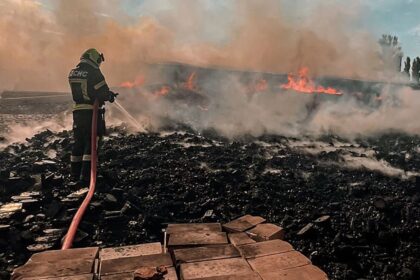
“The Russians deliberately aimed an unmanned aerial vehicle directly at the truck’s cabin where the driver was sitting,” Hryhorov explained. “After the impact, the vehicle caught fire. Unfortunately, the man died.”
Multiple Attacks That Day
This wasn’t an isolated incident in Sumy Oblast that day. Earlier, Hryhorov had reported another fatality resulting from a strike on Velykopysarivska community. That same morning of March 16, two more people suffered injuries when a drone hit Sumy community itself. Three separate attacks in different communities within hours paint a chilling picture of systematic targeting.
Life in the Border Regions
I’ve travelled through Sumy Oblast many times over my years covering regional stories. The agricultural communities there embody Ukraine’s resilience and determination to continue living despite the constant threat from across the nearby border. Grain elevators, farms, and transport hubs keep operating because people like this driver show up for work, knowing the risks but understanding their role in keeping the nation fed and economically functioning.
These aren’t military targets. A man loading grain in a civilian truck represents no threat to Russian forces. Yet the deliberate nature of the strike, targeting the cabin specifically, speaks to a broader pattern that residents of border oblasts know all too terribly well. Ukrainian authorities and international organizations classify such attacks as war crimes, emphasizing their intentional character.
Daily Courage Under Fire
Local residents in Sadivska community, where I’ve reported from agricultural operations before, understand they live in constant danger. Every routine task carries extraordinary risk. Loading grain, driving tractors, working fields near the border—all these ordinary activities have become acts of quiet courage. Families send their loved ones off to work each morning not knowing if they’ll return.
Pattern of Systematic Targeting
Russian military forces regularly attack Ukrainian cities and civilian infrastructure across all regions using various weapons: strike drones, missiles, guided aerial bombs, and multiple launch rocket systems. But border oblasts like Sumy experience this terror with particular intensity and frequency. The proximity to Russia means less warning time, more frequent strikes, and a grinding daily reality that tests human endurance.
Ukrainian officials and international legal experts emphasize that strikes on life-support systems and healthcare facilities aimed at depriving people of electricity, heat, water supply, communications, medical care, and other necessary living conditions constitute signs of genocidal actions. These aren’t accidental hits or collateral damage. The systematic targeting of civilian infrastructure reflects deliberate strategy.
War Crimes and Genocide
Throughout the full-scale war, Russia has committed against Ukrainian citizens all types of crimes that may fall under the definition of genocide, according to legal experts, genocide researchers, and human rights defenders. The pattern is clear: attacks designed not just to destroy military capacity but to make life impossible for ordinary Ukrainians.
Russian leadership denies that Russian forces deliberately strike civilian infrastructure in Ukrainian cities and villages during the full-scale war, killing civilians and destroying hospitals, schools, kindergartens, and energy and water supply facilities. Yet communities like Sadivska count their dead and know the truth written in charred vehicles and destroyed homes.
Human Cost and Resilience
For the family of the forty-year-old driver, denials offer no comfort. Their husband, father, brother, or son left for work and never returned. His final moments were spent doing essential work, contributing to his community and country, before violence found him in his truck cabin.
Agricultural workers across Sumy Oblast and other border regions continue showing up despite incidents like this. They load grain, transport goods, maintain equipment, and keep Ukraine’s vital agricultural sector functioning. Each one makes a conscious choice to continue living, working, and resisting through persistence. That’s the spirit I’ve witnessed repeatedly covering these communities—determination that refuses to break despite unrelenting pressure.
The strike that killed this driver represents more than one tragedy. It symbolizes the daily reality for millions of Ukrainians living in regions where Russian forces can reach them with drones, missiles, or artillery. Yet these communities endure, adapt, and continue functioning with remarkable resilience. That’s the real story here—not just the violence inflicted, but the stubborn refusal to surrender normal life despite it.